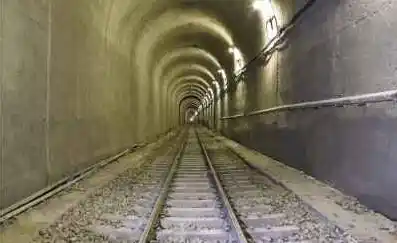
01 / Structural Reinforcement
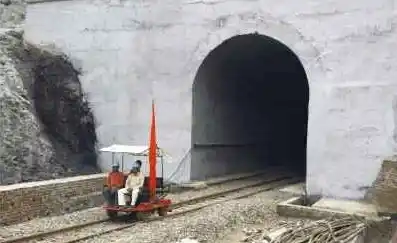
02 / Continuous Operations
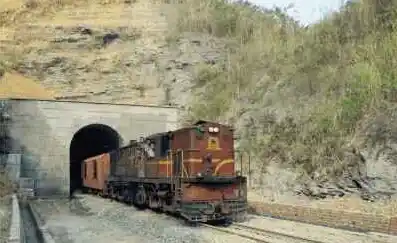
03 / Modernized Standards
Execution Challenge
Tunnelling through the young fold hills posed extreme technical complexities, including highly volatile Tertiary sedimentary formations such as soft shales and siltstones prone to face collapse.
An exceptionally high water table caused continuous groundwater ingress and mud-piping. Positioned within active Seismic Zone V, the project demanded seismic-resilient structural lining.
Logistically, the remote location, steep terrain, and heavy six-month monsoon rain patterns triggered landslides, creating a highly constrained supply chain network.
Strategic Role
Mr Avarrsekar directed the critical pre-bid positioning strategy, mapping the firm's soft-rock tunnelling expertise to match Northeast Frontier Railway’s strict safety and technical evaluation criteria.
He established a centralised project governance framework providing robust risk oversight across volatile supply chains and mountain operations.
Serving as the primary executive interface with railway technocrats, he decoupled field engineering from administrative hurdles, accelerating design clearances to maintain strict progress velocity.
Actions Taken
Engineered an accelerated parallel heading matrix separating excavation, primary support, and cast-in-situ concrete lining tracks.
Deployed advanced pre-support pipe-roofing umbrellas and steel forepoling to prevent crown cave-ins.
Implemented real-time 3D convergence and stress instrumentation networks tracking structural movement.
Installed multi-stage high-pressure polyurethane and cementitious grouting arrays to seal active water inflows.
Managed synchronized nocturnal supply corridors traversing complex mountain paths during monsoon windows.
Outcome
The successful commissioning of the 1.935-kilometer tunnel completed a high-capacity transport link, directly integrating Tripura into the national broad gauge network.
Engineered to withstand Zone V seismic accelerations, the asset guarantees long-term operational resilience.
For sector executives, this success illustrates how translating specialized sub-surface risks into structured, evidence-based bid solutions secures high-value public infrastructure mandates, driving predictable project delivery and robust corporate growth.
Technical Data of Record
Scope of Work
Construction of Single Line Broad Gauge (BG) Tunnel No. 1 (Km 29/940 to Km 31/875) including excavation, primary structural steel rib support, rock bolting, SFRS shotcreting, pressure grouting, and final cast-in-situ reinforced concrete lining.
Key Specifications
1.935 Kilometer (1,935 Meters) length; Single Line Broad Gauge configuration; Seismic Zone V structural detailing; Pipe-roofing forepoling umbrellas; Steel-Fiber Reinforced Shotcrete (SFRS).
Major Deliverables
Fully completed and lined broad gauge railway tunnel, stabilized portal slope structures, integrated subterranean drainage networks, and real-time structural health monitoring alignment records.
Technical Complexities
Tunneling through highly volatile tertiary sedimentary soft rock formations (shale/siltstone); managing heavy water ingress from an exceptionally high water table; executing works within an active Seismic Zone V; navigating remote, landlocked mountain logistics with high landslide frequencies.
Safety/Quality Measures
Real-time 3D convergence and stress instrumentation monitoring; continuous underground forced air ventilation and automated gas detection arrays; 100% material traceability and non-destructive ultrasonic lining thickness testing.
Location | Client
Between Sindhu Kumar Para and Ambassa Stations, Tripura, India. | Northeast Frontier Railway (NFR), Maligaon
Discover the Full Strategy
Explore the detailed methodologies, execution frameworks, and deep-dive analytics in our comprehensive case study.
Request the Project Case Study
Popular Project